Source: United States Airforce
The U.S. Air Force and the Royal Australian Air Force are jointly operating ground-based command and control systems during Exercise Talisman Sabre 2025 to enhance military interoperability in the Indo-Pacific region.
Source: United States Airforce
The U.S. Air Force and the Royal Australian Air Force are jointly operating ground-based command and control systems during Exercise Talisman Sabre 2025 to enhance military interoperability in the Indo-Pacific region.
Source: United States Airforce
The intent of the exercise was to enhance interoperability between allied and partnered multi-national air forces while working in Agile Combat Employment conditions, relying on the launching, recovering and maintaining aircraft from dispersed locations throughout the Indo-Pacific.
Source: United States Airforce
When large-scale operations, such as exercise Resolute Force Pacific, Talisman Sabre, or Bamboo Eagle require rapid deployment, the PDF line kicks into gear.
Source: United States Airforce
Secretary Meink was familiarized with Joint Base Pearl Harbor-Hickam’s ability to support transient aircraft, deploy Airmen within a short timeframe and project airpower during exercises and real-world operations.
Source: United States Airforce
Air Mobility Command is executing operations as part of the 2025 Department-Level Exercise series across the Indo-Pacific region to validate its ability to project and sustain combat power, alongside allies and partners.
Source: United States Airforce
CMSAF David A. Flosi engaged with Airmen at Ramstein Air Base to discuss how they are advancing Department of Defense priorities.
Source: United States Airforce
Operators from the Western Air Defense Sector and Pacific Air Defense Sector integrated with the Royal Australian Air Force’s No. 3 Control and Reporting Unit to deliver seamless command and control during Exercise Talisman Sabre 2025.
Source: United States Airforce
During this large-scale exercise that included joint and multinational partners, more than 12,000 USAF and U.S. Space Force personnel and more than 350 aircraft participated with a focus on enhancing rapid global mobility capabilities.
Source: United States Airforce
The IRT program is a unique U.S. DoD initiative that enhances military readiness through hands-on, real-world training while delivering critical services to communities in need.
“This is a great opportunity to not only get services that the community may not be able to afford but they can see what the military provides”, said Cathy Swafford, Rhea County community lead. “You can tell that [the military members] just really want to serve their community and give back.”
Operation Healthy Tennessee brought together service members across the joint force, fostering an environment to strengthen readiness while offering services such as medical, dental, optometry, nutrition counseling and veterinary care, all provided at no cost by credentialed professionals.
“We are providing a great level of service,” stated Maj. Ralph Garcia, Bledsoe County officer in charge. “It’s a collaborative joint effort to bring resources to underserved communities.”
The mission proved to be a powerful example of the program’s impact, making a strong contribution towards the IRT Program.
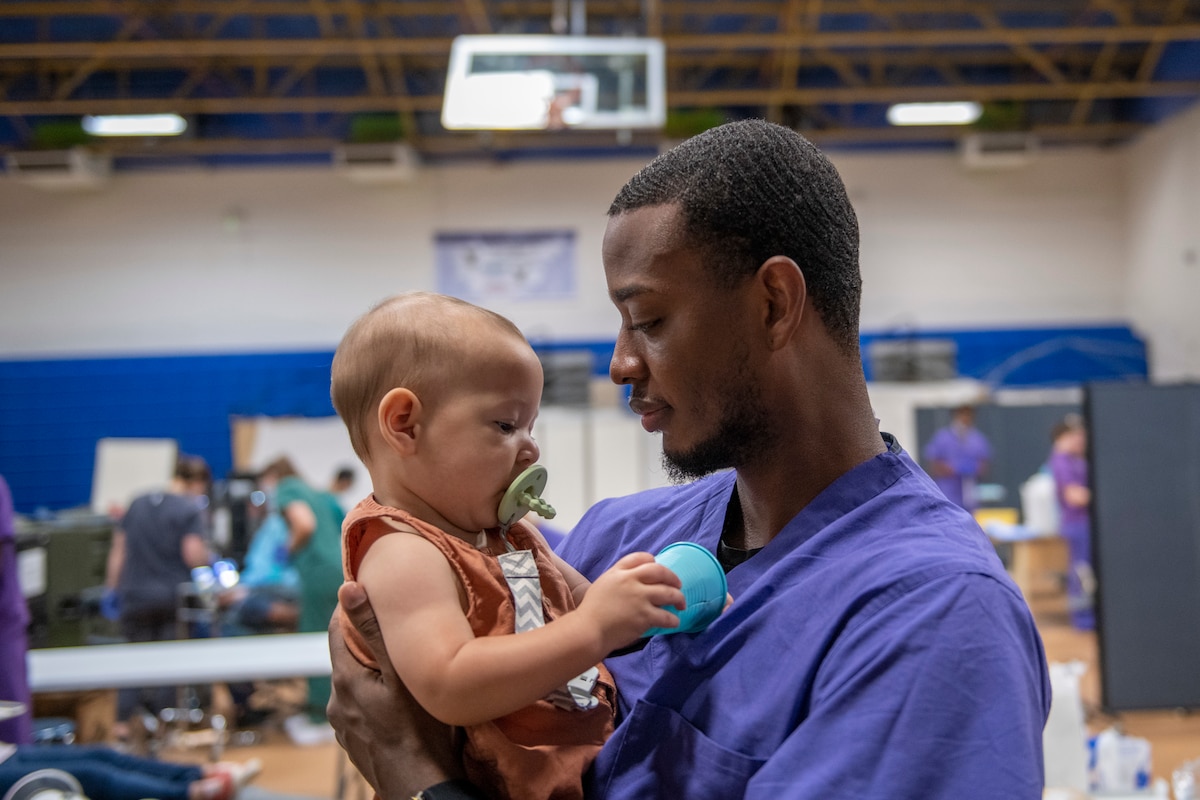
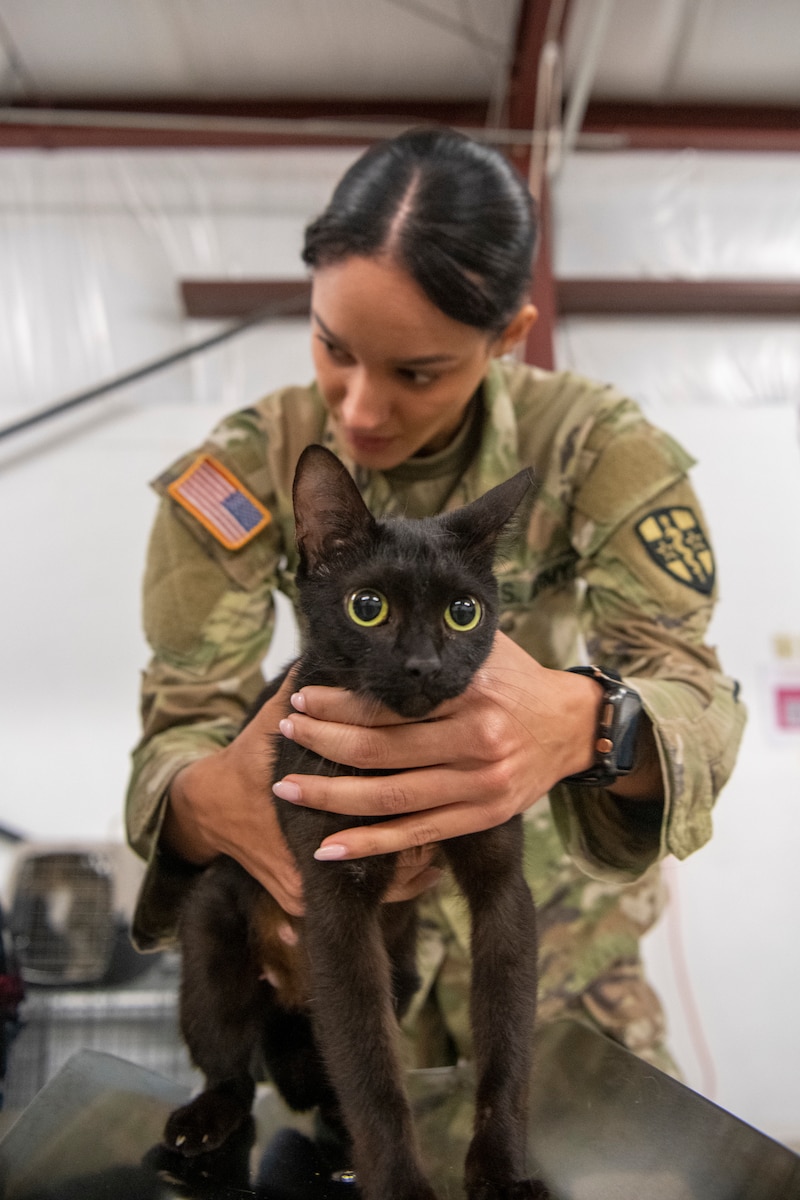
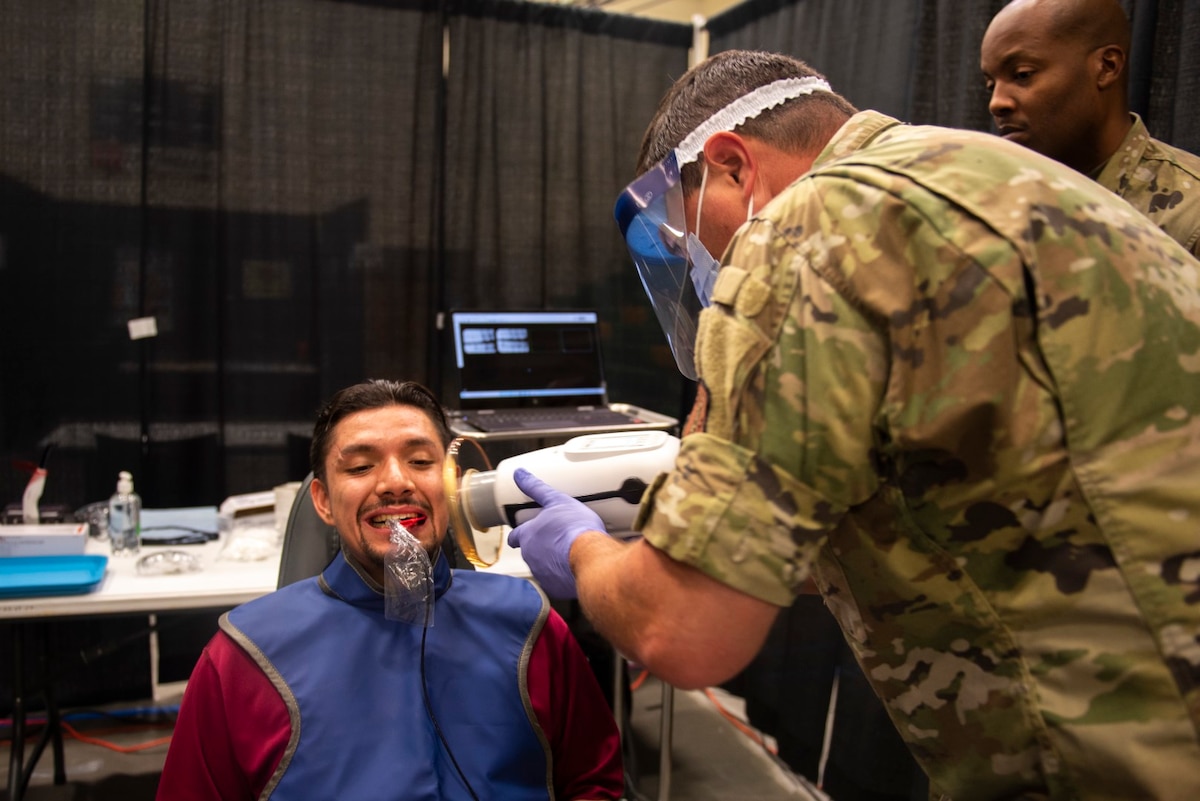
In just 10 days, two medical clinic locations served 2,000 patients and completed more than 15,000 medical, dental and optometry procedures. The veterinary team treated 677 pets, delivering services valued at $314,465. A specialized optometry team, assigned to the mission as part of a Naval Ophthalmic Readiness Activity, built and distributed more than 770 pairs of glasses for those in need.
The fair market value of all medical and veterinary services provided is totaled at $1.9 million.
“Training is such an important part of an IRT,” said Lt. Danielle Lloyd, Operation Healthy Tennessee officer in charge. “Although we are providing much needed medical care to this community, at the same time, we are training to make sure we are staying mission ready.”
The operation logged more than 25,000 training hours across categories including readiness, certification, clinic skills, ad-hoc tasks and hands-on training.
IRT missions, like Operation Healthy Tennessee, often represent a once-in-a-career opportunity, and participants are encouraged to fully embrace the collaborative environment, network with fellow service members and connect with the public to which we are caring for to maximize the experience.
“Now that we’ve had our last day of clinical care and we’re able to see the final numbers, it’s such a good feeling to see that we’ve helped so many community members,” Lloyd said. “There’s no better feeling than seeing someone who desperately needed care and being able to provide it at no cost.”
Source: United States Airforce
The Department of the Air Force has created a new AF/A6 Deputy Chief of Staff office dedicated to warfighter communications and cyber systems.ARLINGTON, Va. (AFNS) —
This structure is designed to address operational communications and cyber needs effectively throughout the force.
The creation of the AF/A6 office separates the responsibilities for communications and cyber systems from the previous A2/6 framework, marking one of the most significant reorganizations of the Air Staff in over 30 years.
According to Air Force leaders, the change is designed to improve readiness, resilience and operational effectiveness by aligning resources and risk management with mission requirements.
“We created the A6 to ensure communications and cyber systems are available, secure and aligned with warfighter priorities,” said Air Force Chief of Staff Gen. David W. Allvin. “This office will help us focus resources and oversight where it matters most — supporting the mission in contested environments.”
The AF/A6 aligns with broader Department of Defense efforts to advance command and control capabilities, including the DAF Battle Network and Combined Joint All-Domain Command and Control. The office is also expected to provide enterprise-level advocacy on requirements, architecture and funding decisions.
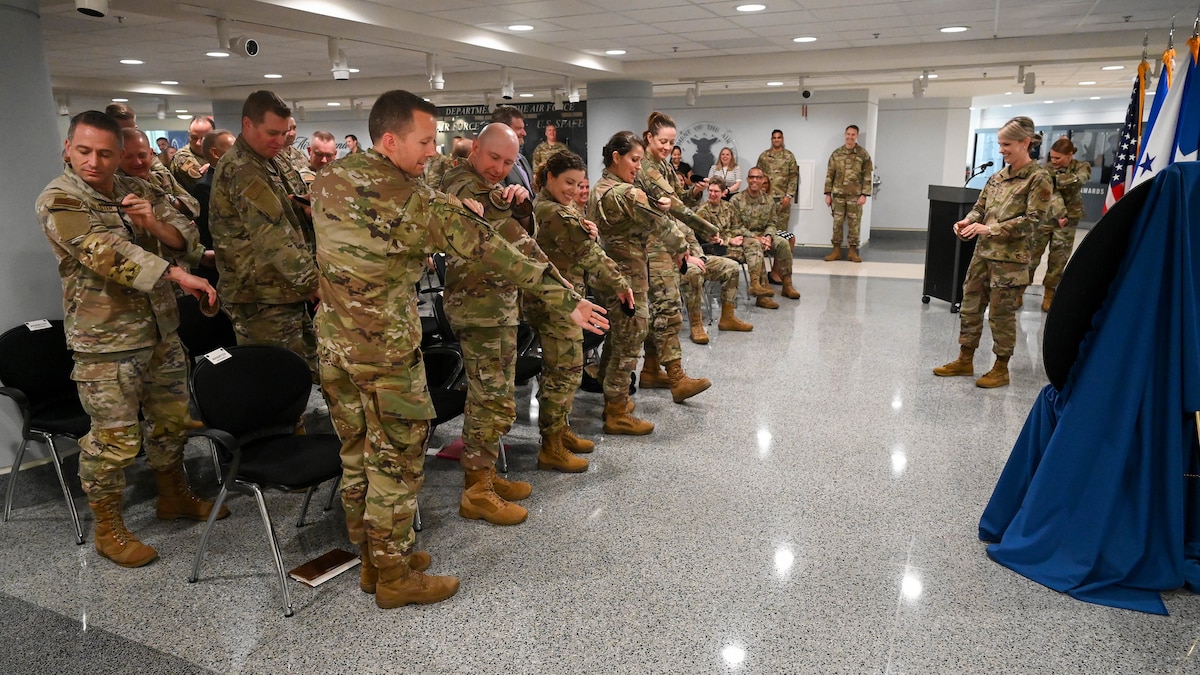
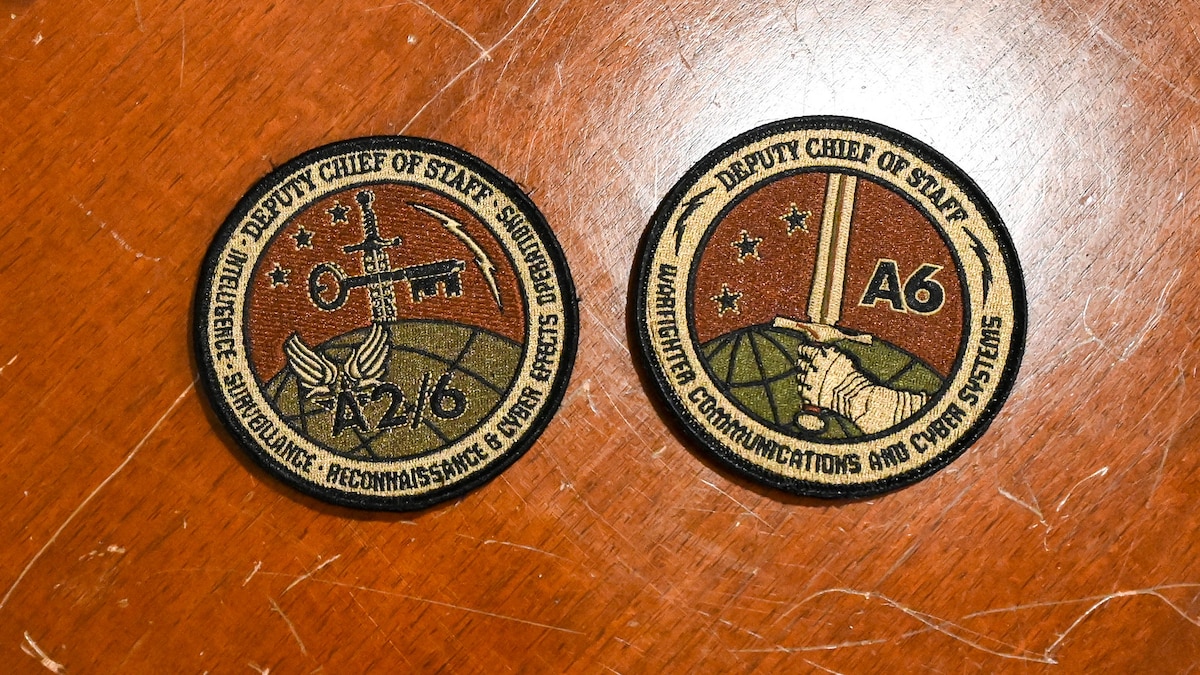
Lt. Gen. Leah Lauderback, former Deputy Chief of Staff for Intelligence, Surveillance, Reconnaissance and Cyber Effects Operations, said the A6 will serve as a critical link between operational feedback and strategic planning.
“Standing up the A6 allows us to manage risk, prioritize limited resources and advocate for warfighter needs using data from across the enterprise,” Lauderback said. “It’s a necessary step to treat communications and cyber as the operational enablers they are.”
Maj. Gen. Michelle Edmondson has been appointed to serve as the first standalone Deputy Chief of Staff for AF/A6. Her experience in operations, training and strategic planning is expected to help the office’s focus on delivering integrated, resilient communications capabilities across domains.
“Our mission is to ensure warfighters have the reliable, secure communications they need to succeed in a complex and contested environment,” Edmondson said. “We’re building an enterprise that connects people, systems and decisions at the speed required by today’s operational demands.”
The office will coordinate with various stakeholders, including the department’s chief information officer, the principal cyber advisor, major command A6 offices, acquisition program offices and other operational and functional communities.
Officials emphasized the AF/A6 will be organized around a warfighter-centric model, designed to support current capabilities while informing future investment decisions and force design initiatives.